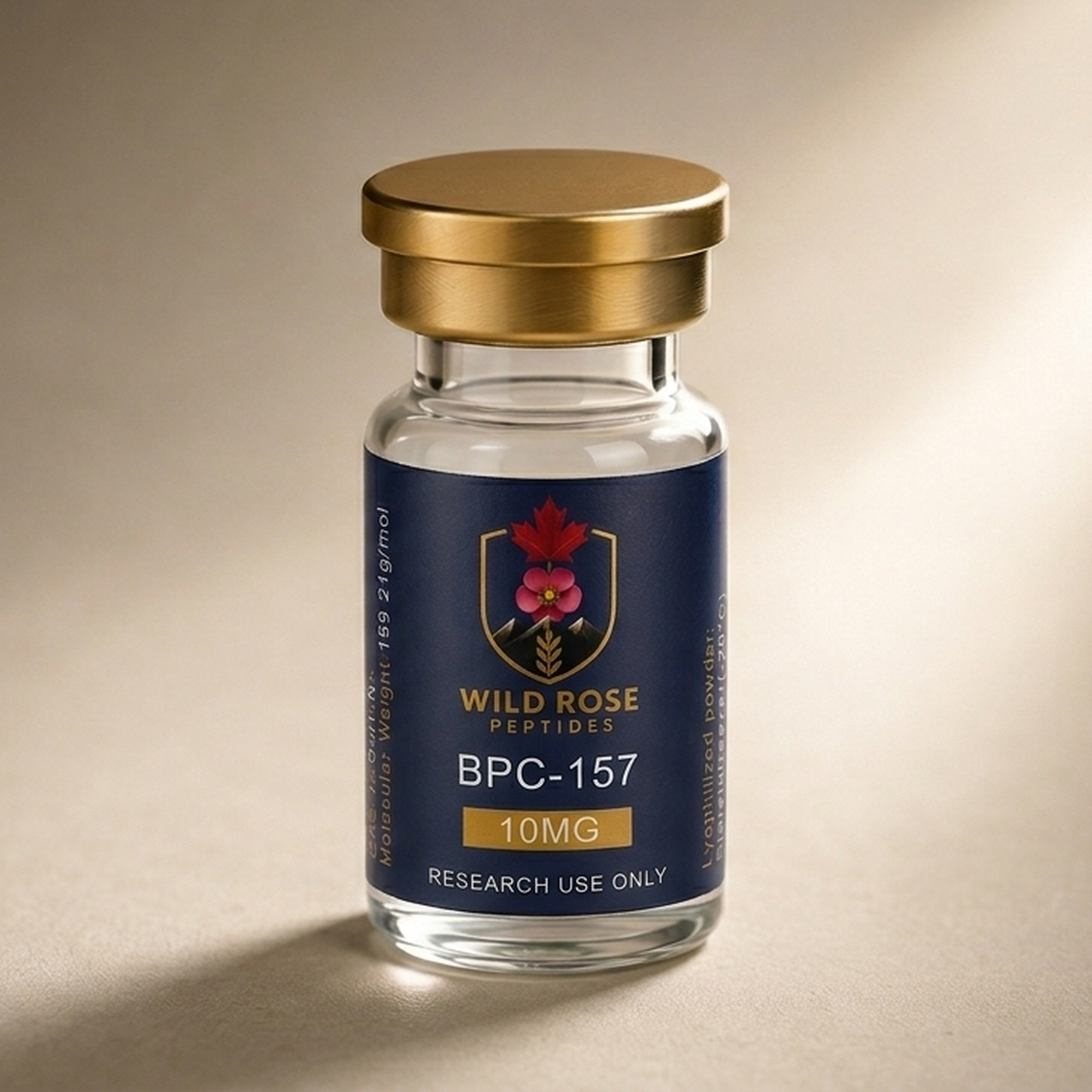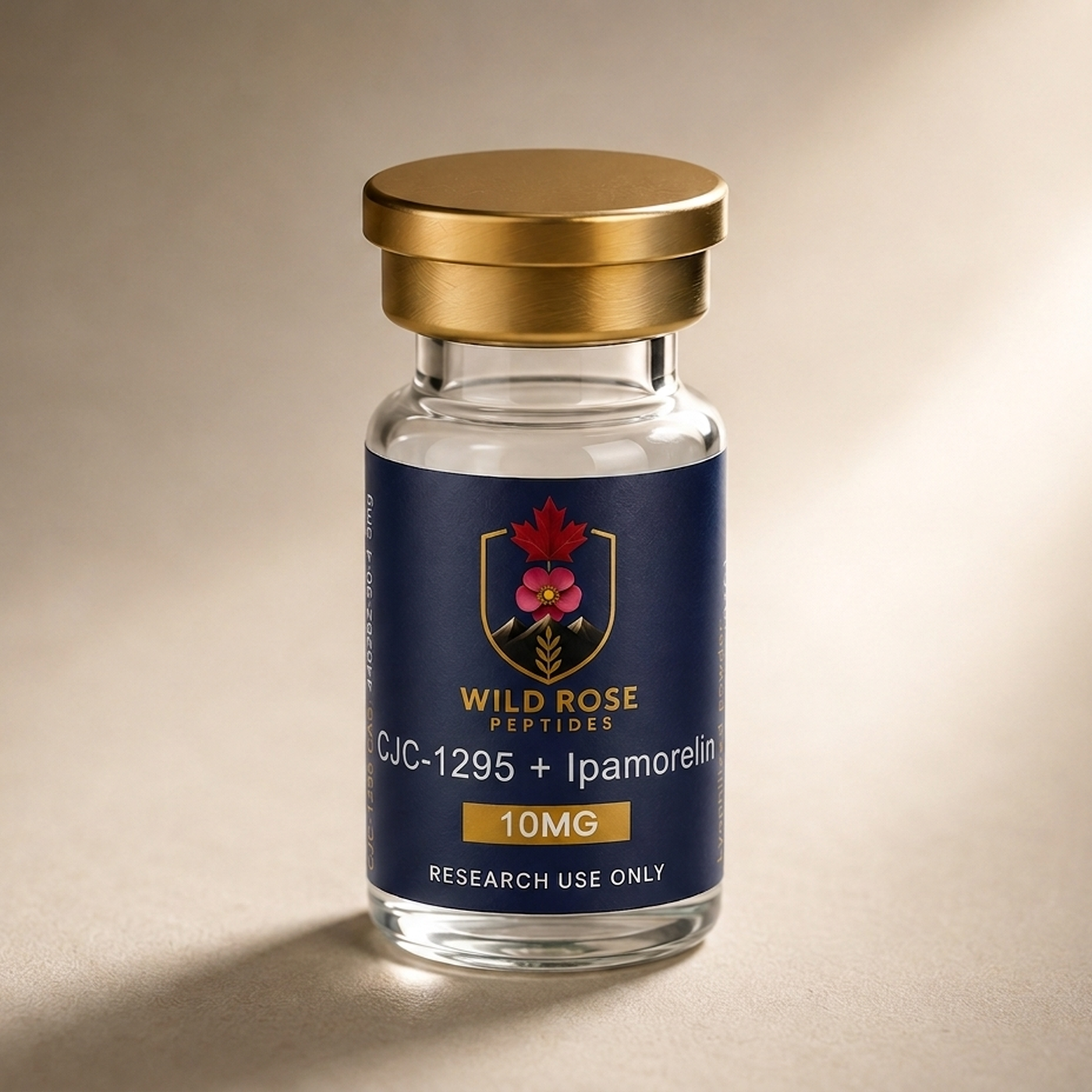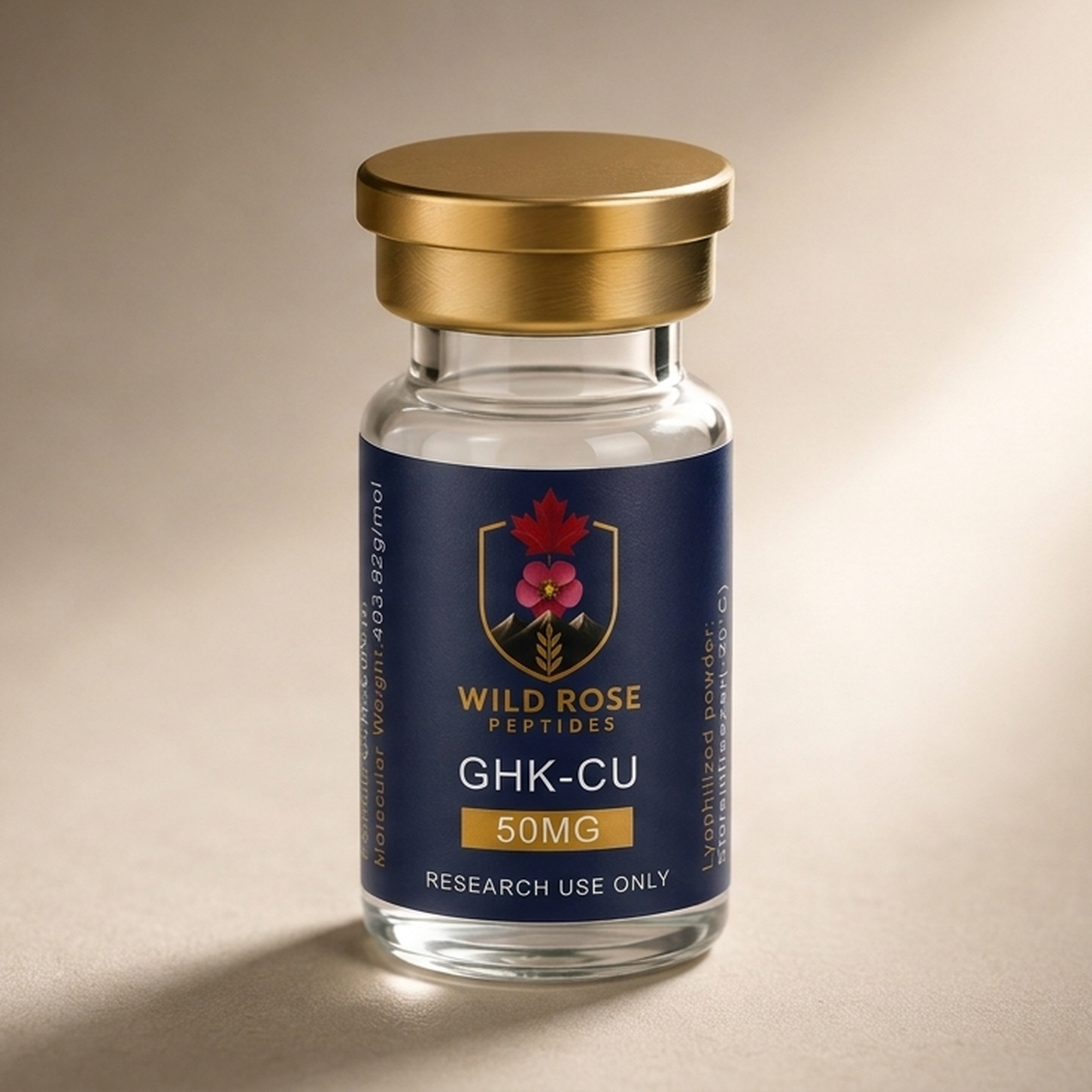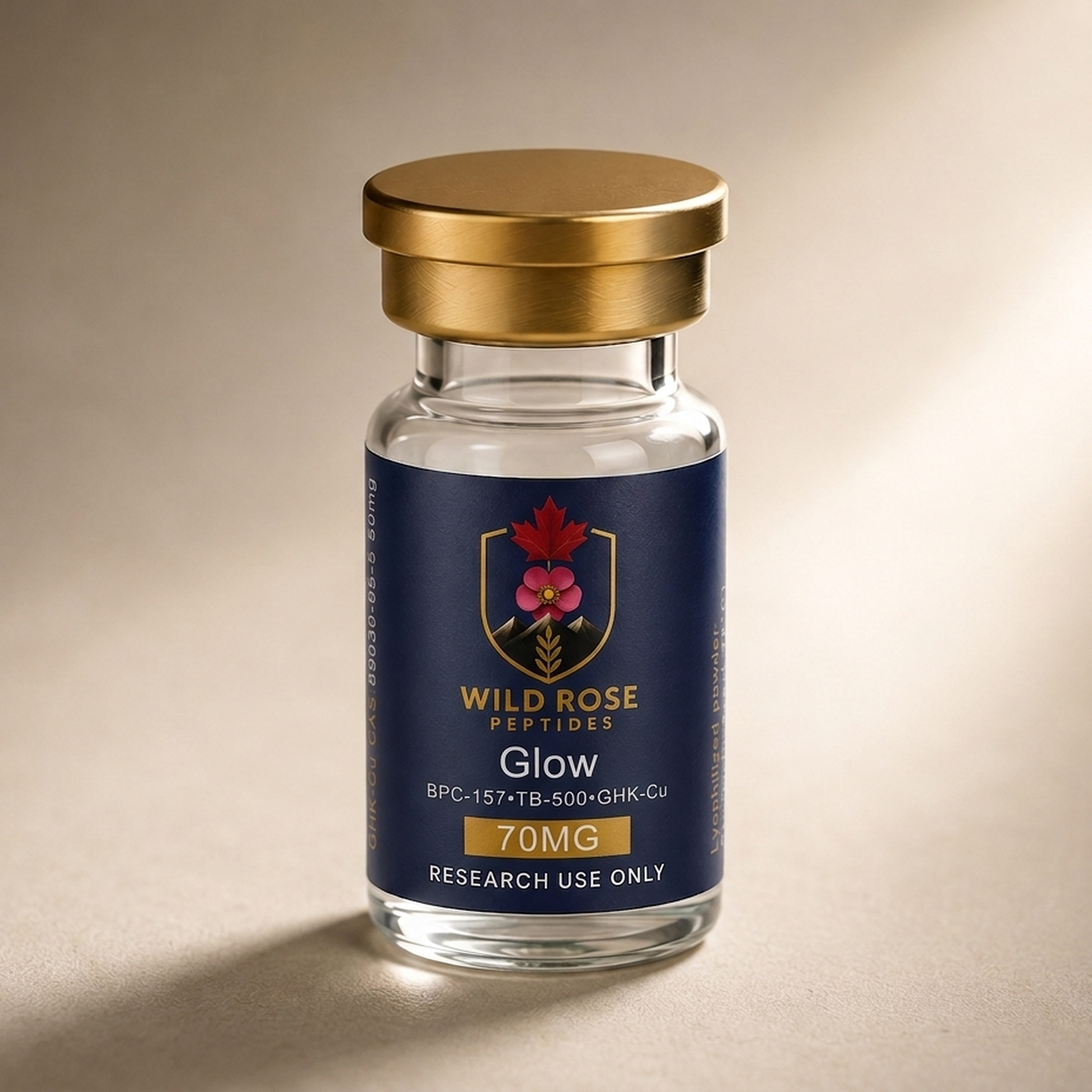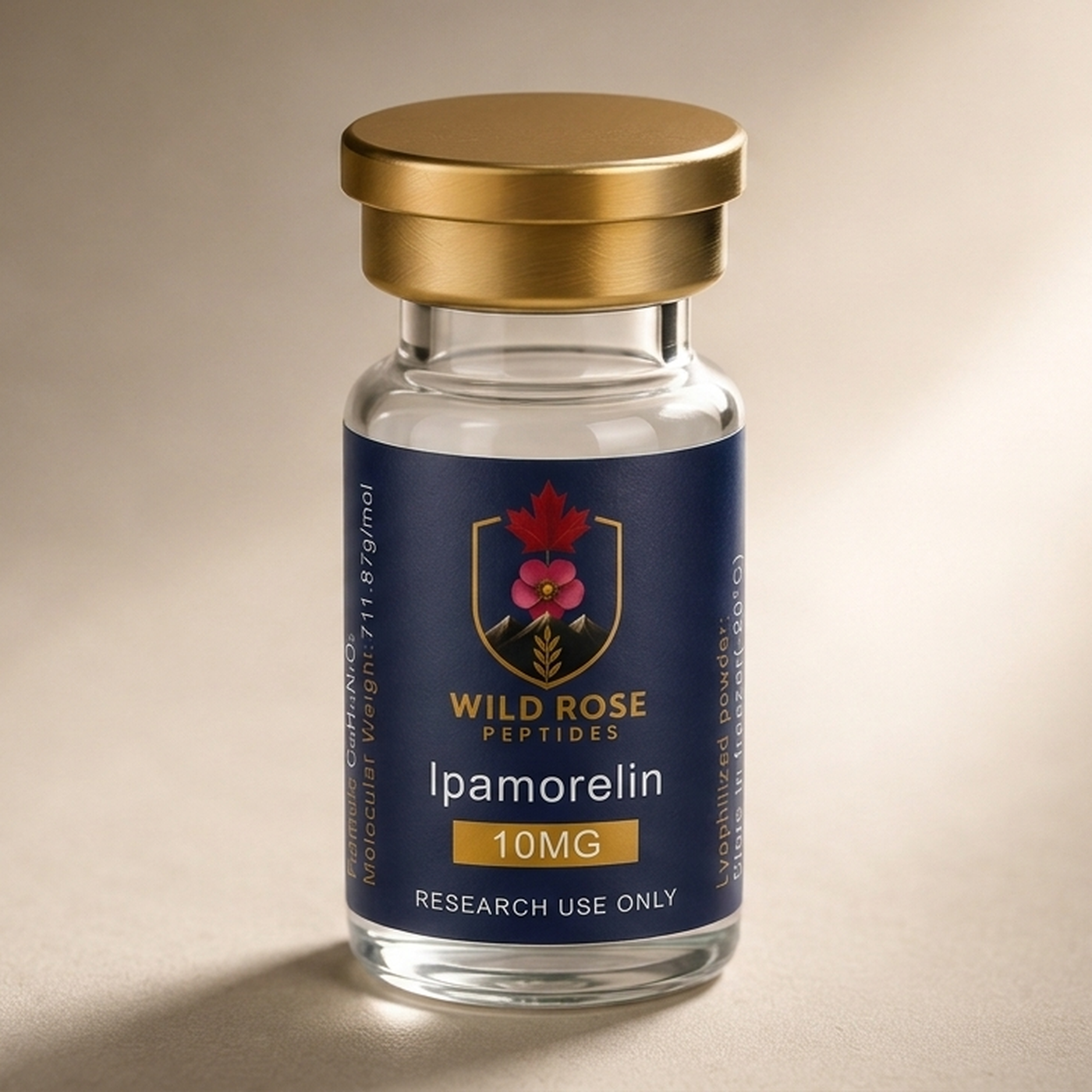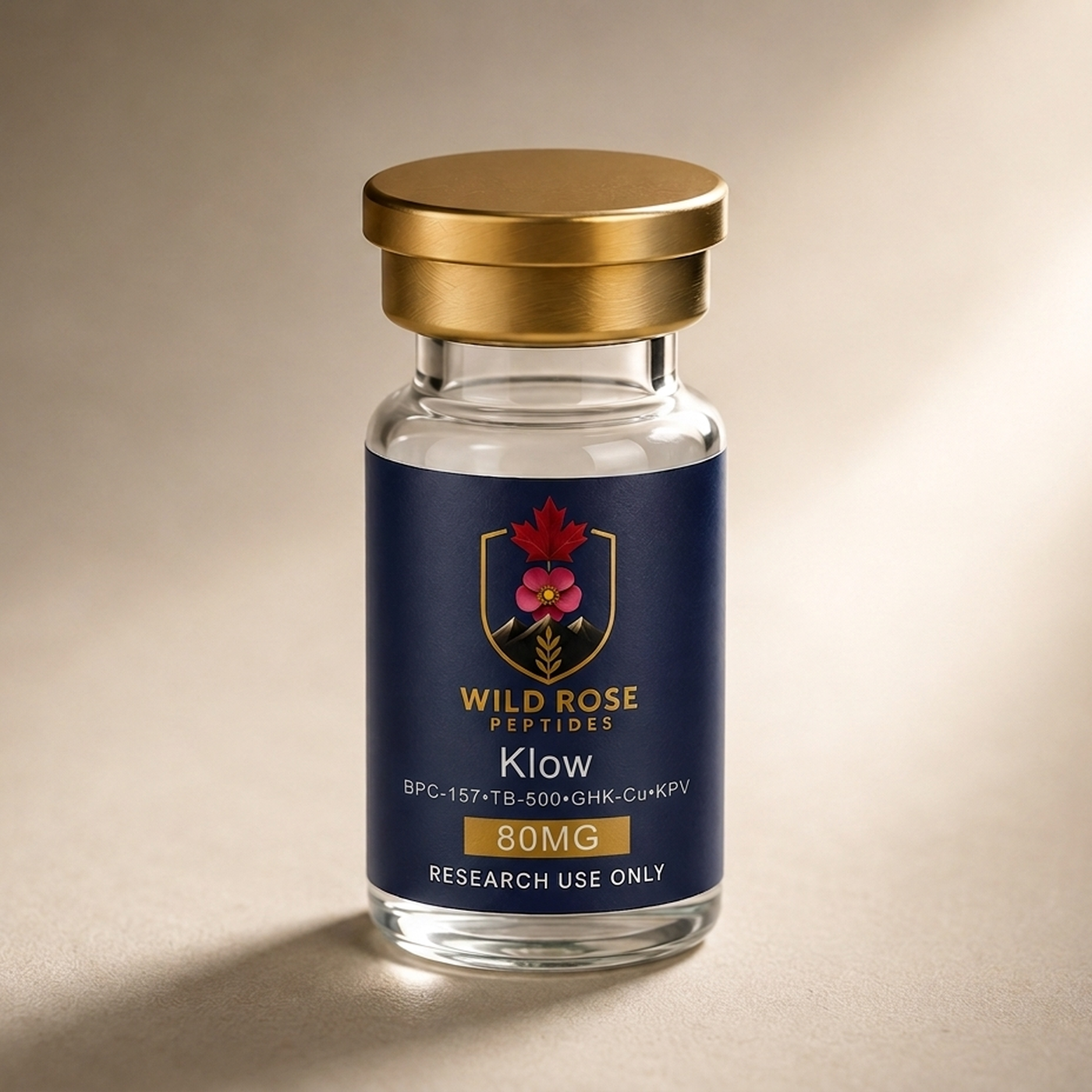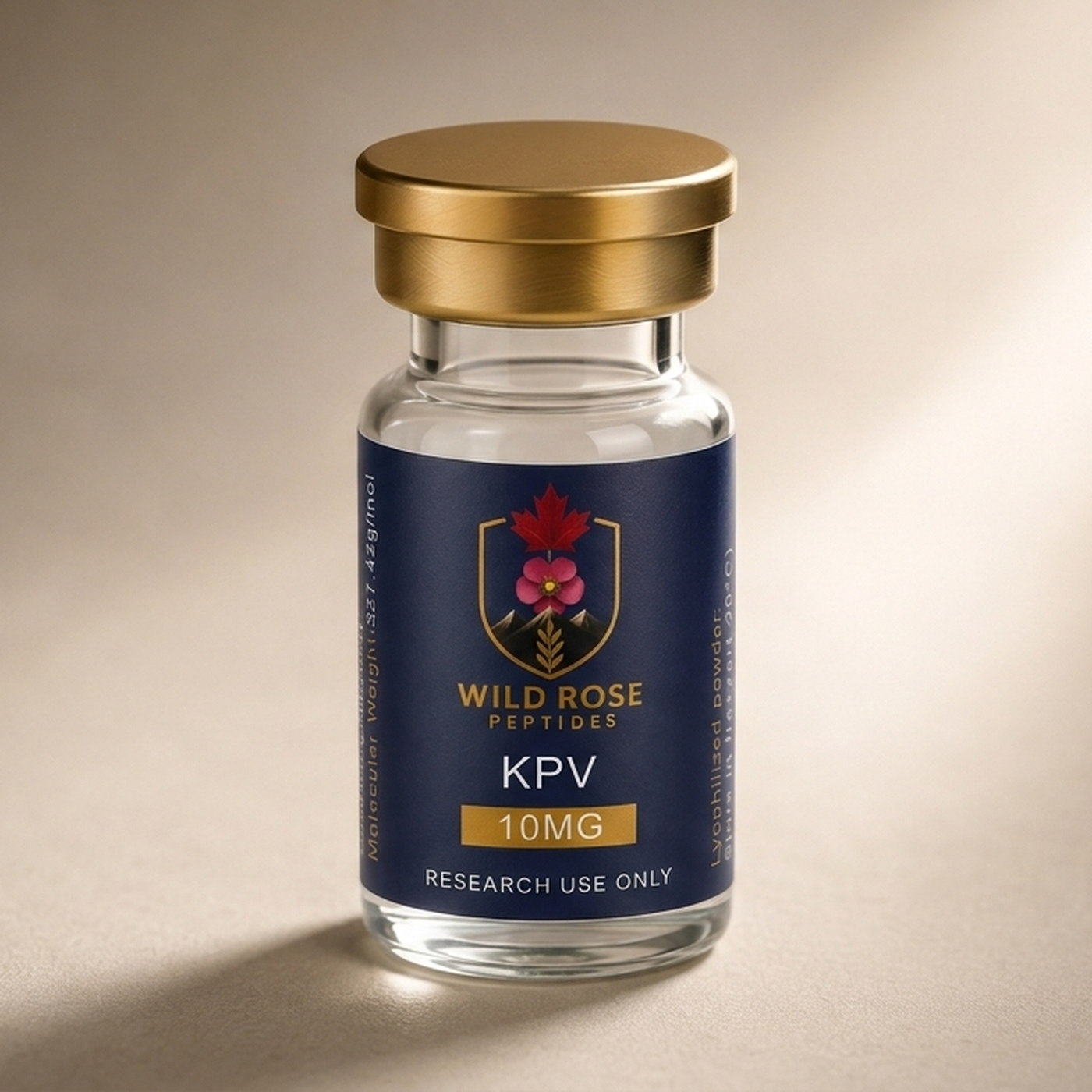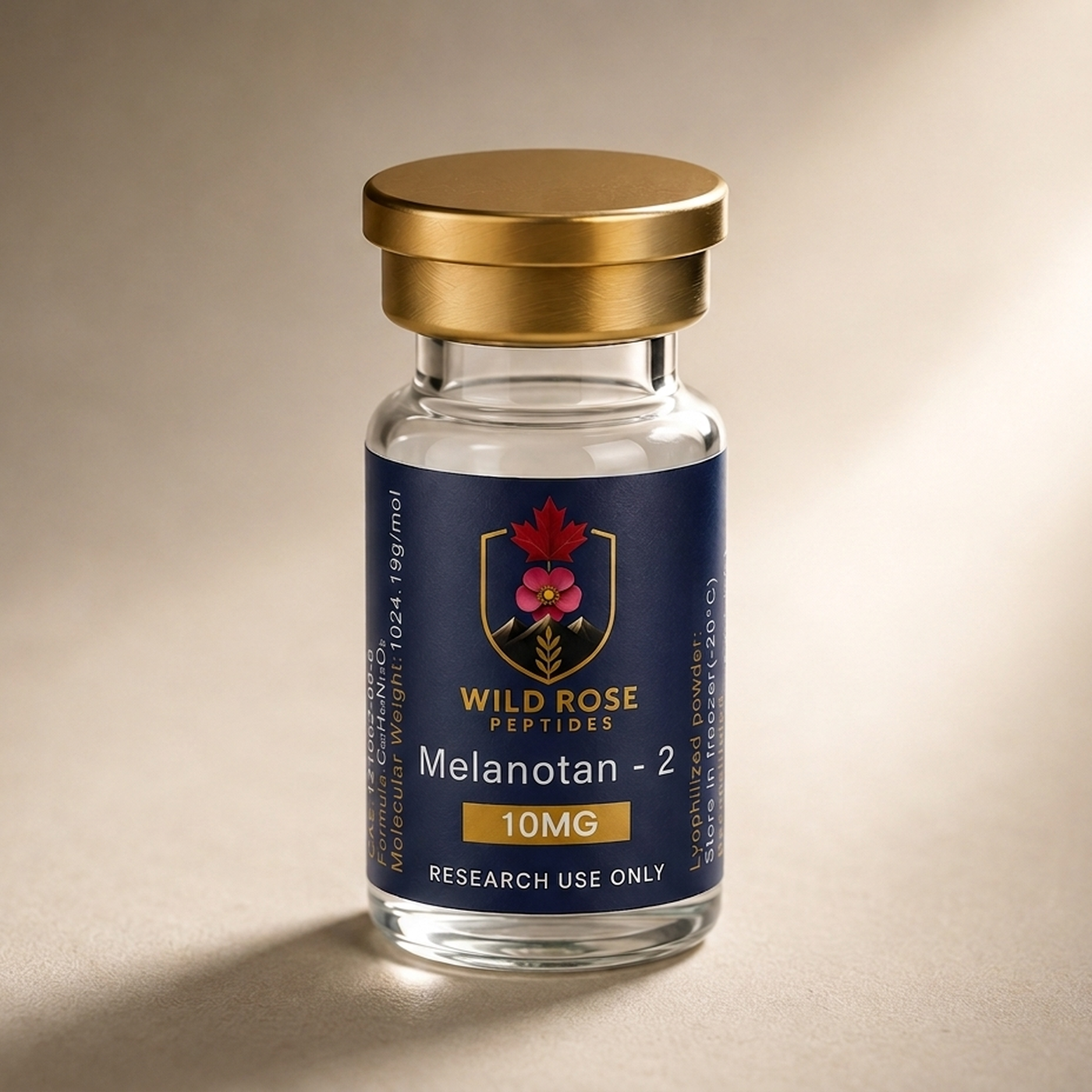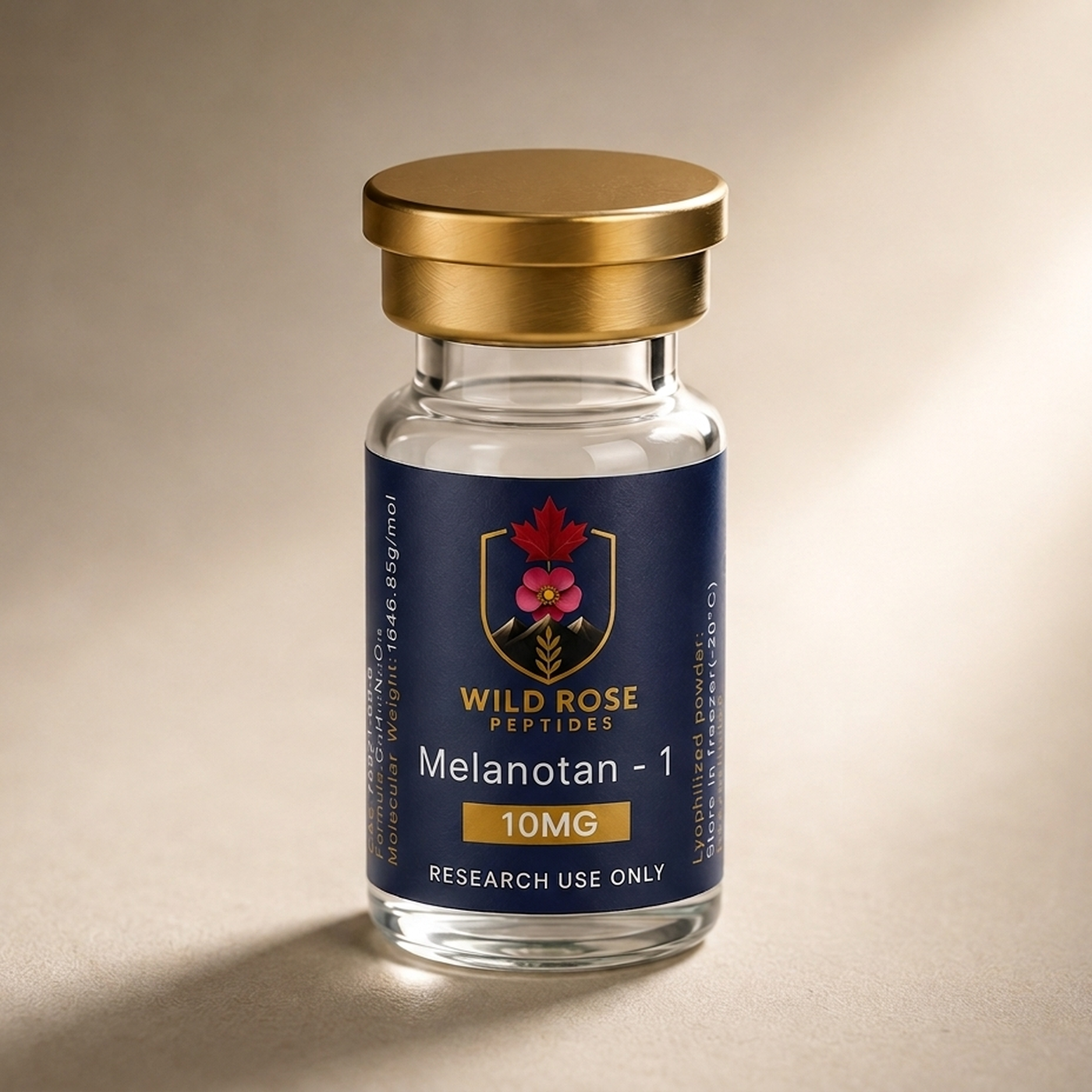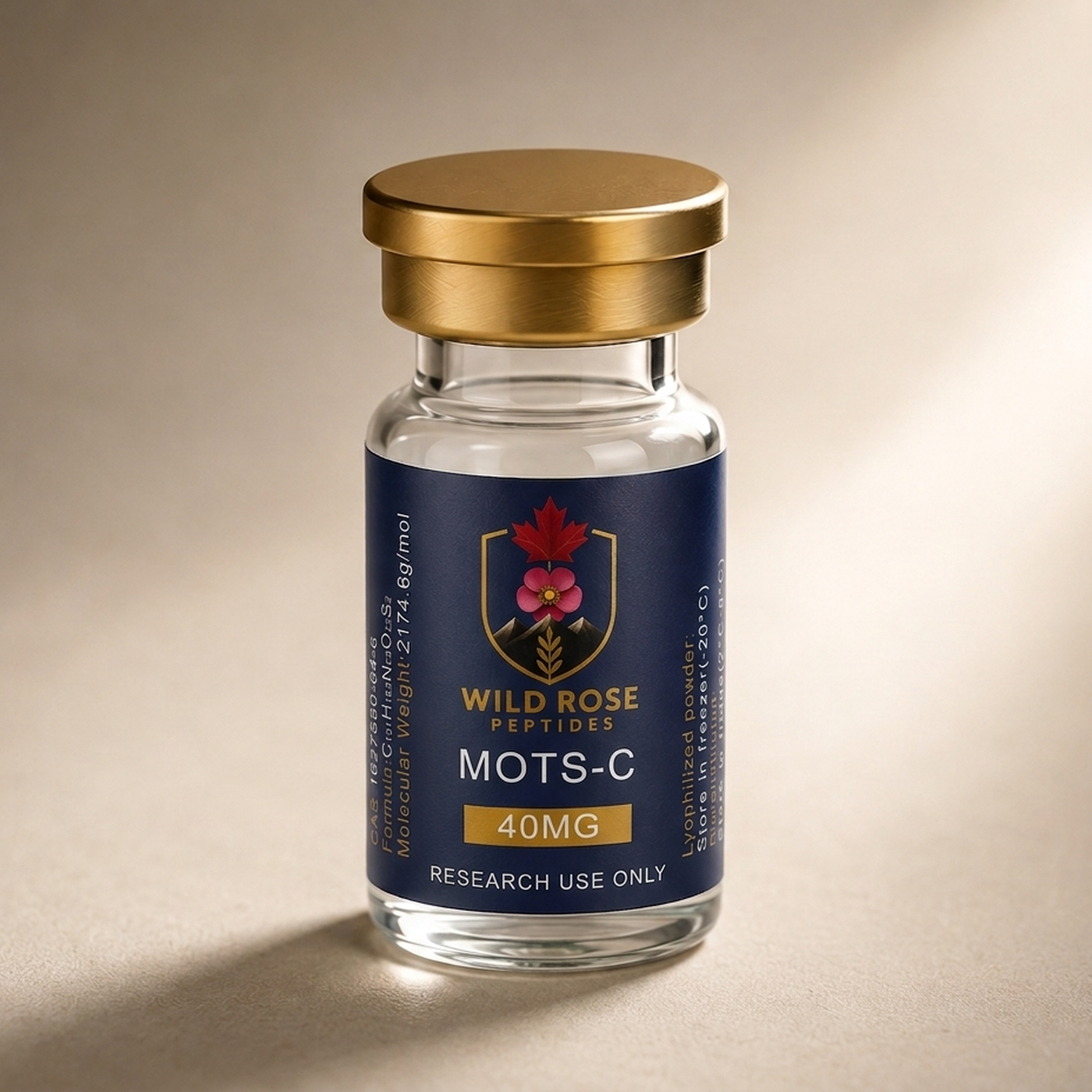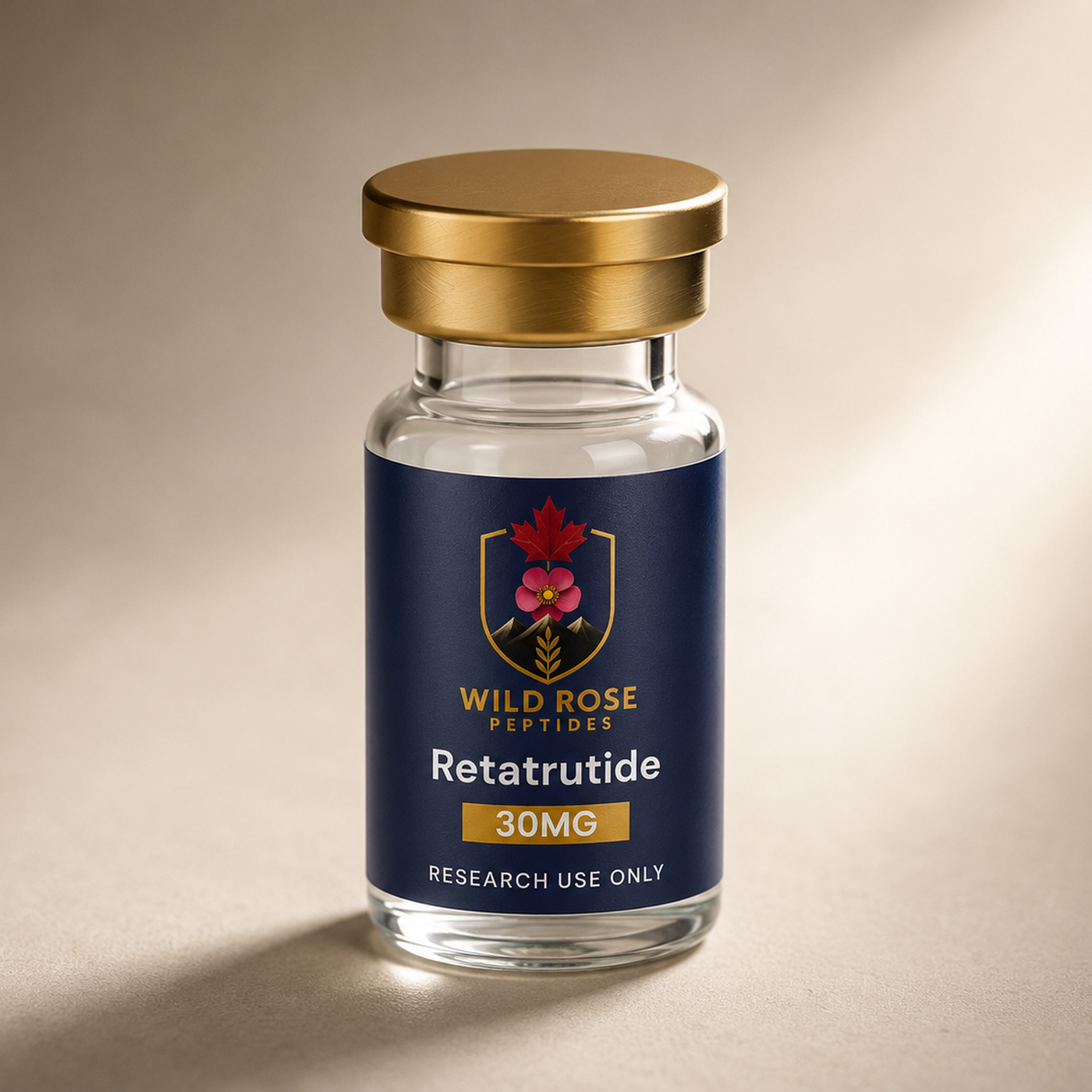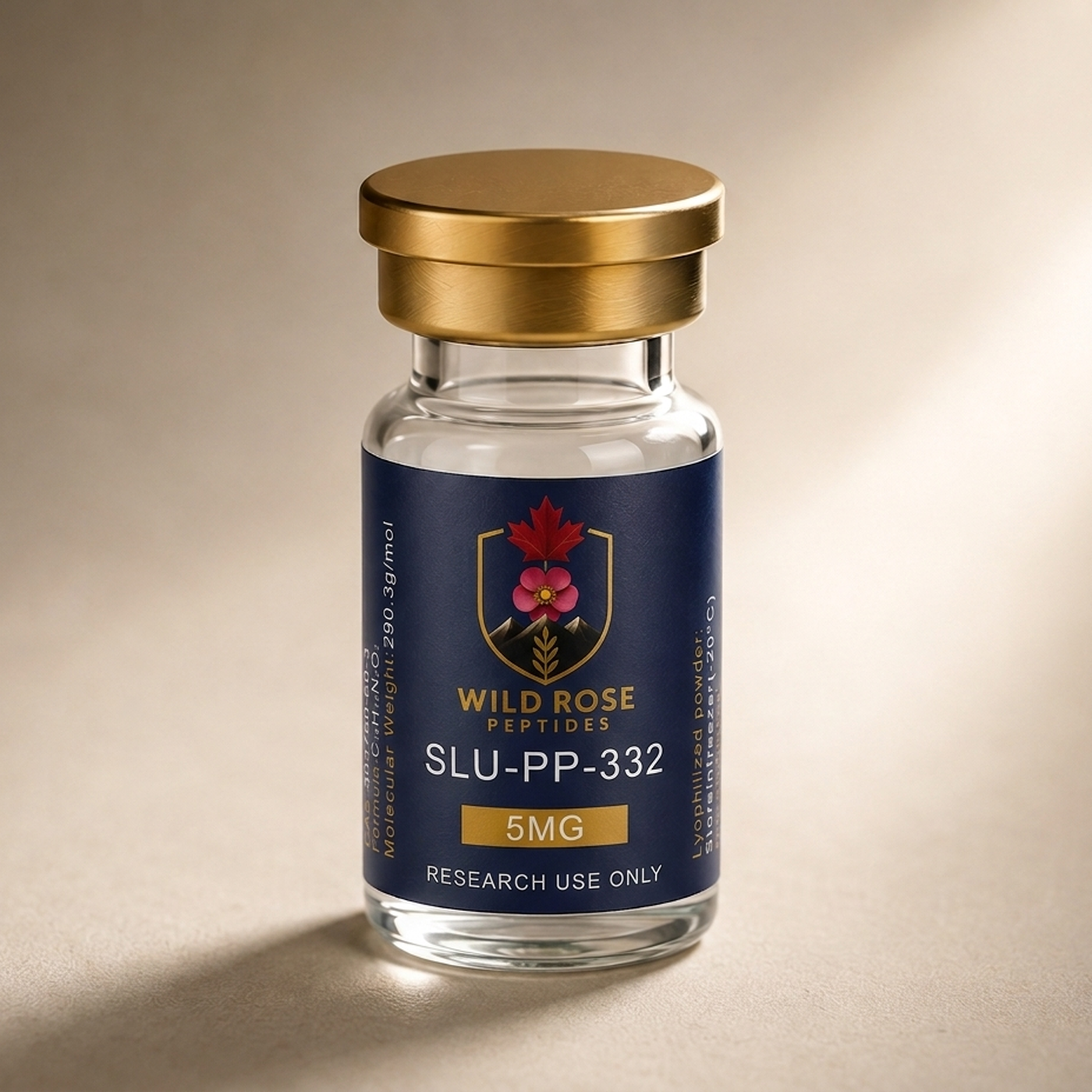
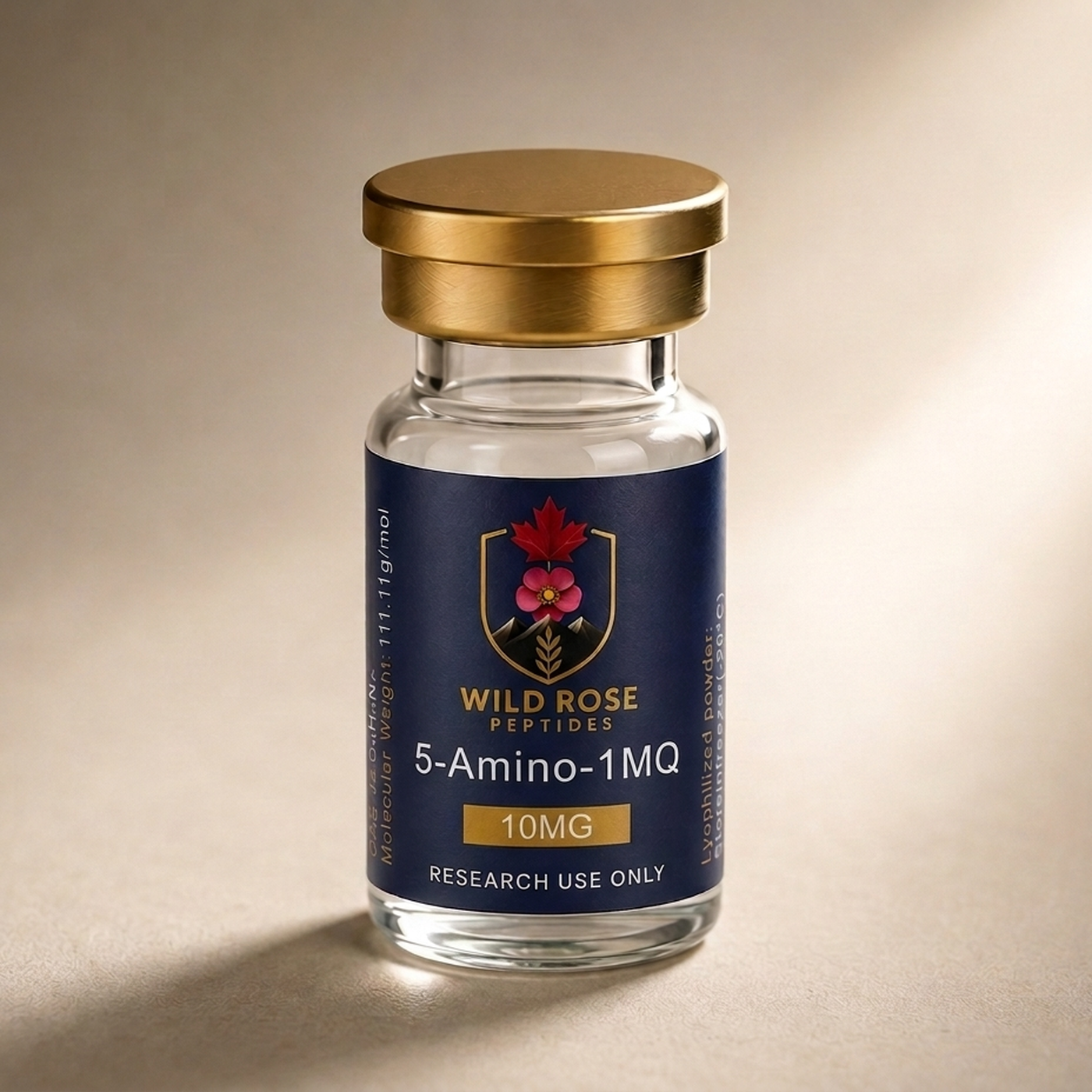
5-Amino-1MQ is a small research molecule that blocks NNMT, an enzyme involved in how cells manage energy and store fat. It is used as a research tool to explore metabolism, fat-cell biology, and the NAD+ pathway linked to cellular ageing.
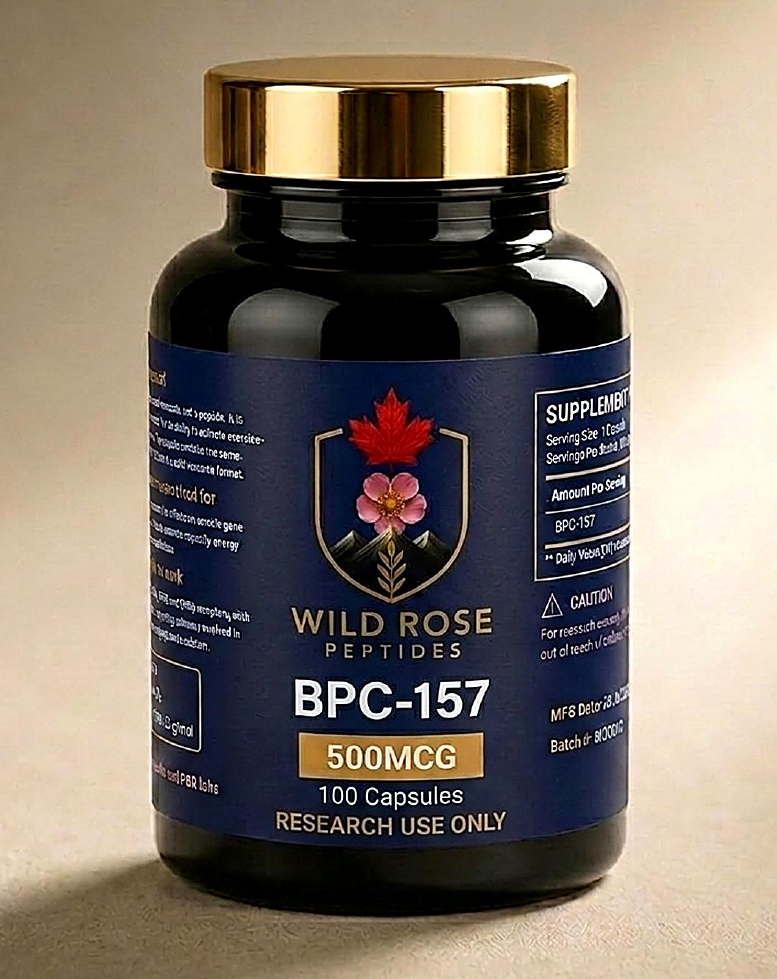
BPC-157 is a synthetic peptide based on a protective sequence found in the stomach, widely used in tissue-repair research. Laboratory studies focus on how it influences blood-vessel formation and the healing of gut, tendon, and other soft tissue.
CJC-1295 + Ipamorelin pairs two peptides - CJC-1295 (no DAC) and Ipamorelin - that prompt the body's own release of growth hormone. The combination is studied in endocrine research on how the two work together on the growth-hormone axis.
GHK-Cu is a naturally occurring copper-bound tripeptide studied in skin and wound-healing research. Laboratory work examines its role in collagen production, tissue remodelling, and antioxidant signalling.
Glow is a combination of BPC-157, GHK-Cu, and TB-500 - three peptides studied for tissue repair and skin health. It is used in research that looks at recovery and skin-remodelling activity when these compounds are combined.
Ipamorelin is a peptide that signals the body to release growth hormone, used widely in endocrine research. It is studied for being selective - prompting growth-hormone release with little effect on other hormones such as cortisol.
Klow is a four-part blend of GHK-Cu, TB-500, BPC-157, and KPV, studied as a combined recovery and anti-inflammatory research compound. Laboratory work examines how these peptides act together on tissue repair and inflammation.
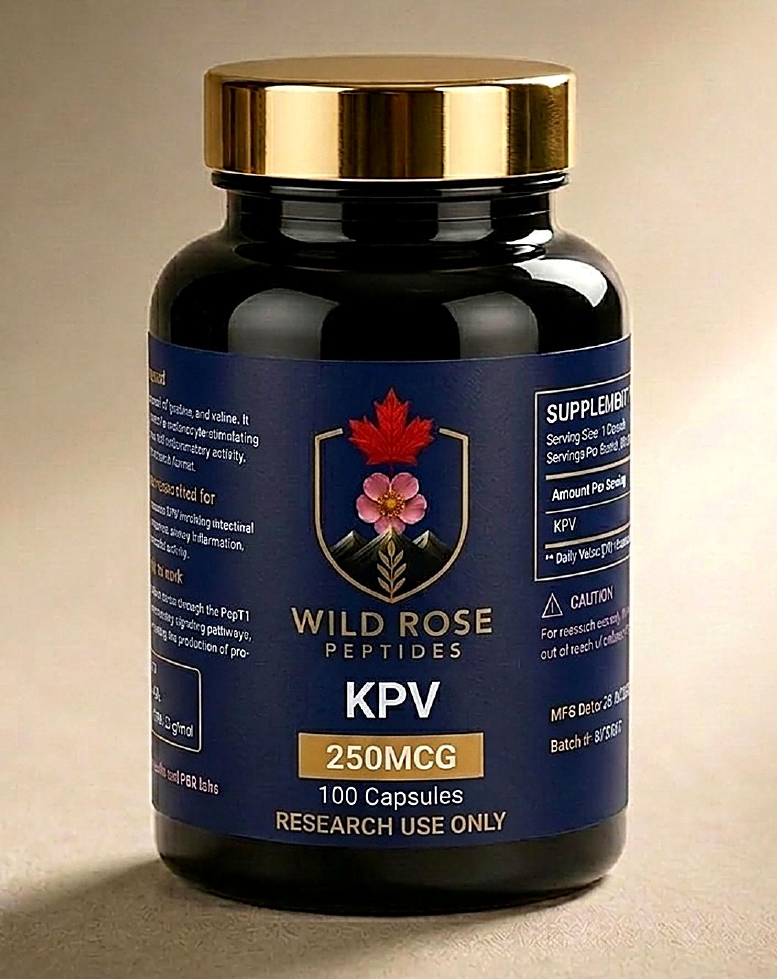
KPV is a small three-amino-acid peptide derived from a natural hormone, studied for its anti-inflammatory signalling. Research focuses on its effects in models of gut and tissue inflammation.
Melanotan 2 is a synthetic peptide modelled on a natural hormone that controls skin pigment. It is used in research on melanogenesis - the process by which cells produce the pigment melanin.
Melanotan 1 is a synthetic melanocortin research peptide studied in pigment-cell and melanocortin-receptor research.
MOTS-c is a peptide that the body's own mitochondria produce, studied in metabolism research. Laboratory work explores its role in how cells use energy and respond to insulin and exercise.
Retatrutide is a peptide that acts on three of the body's metabolic hormone receptors at once, making it a focus of metabolic research. Studies examine its combined effect on appetite- and energy-regulating pathways.
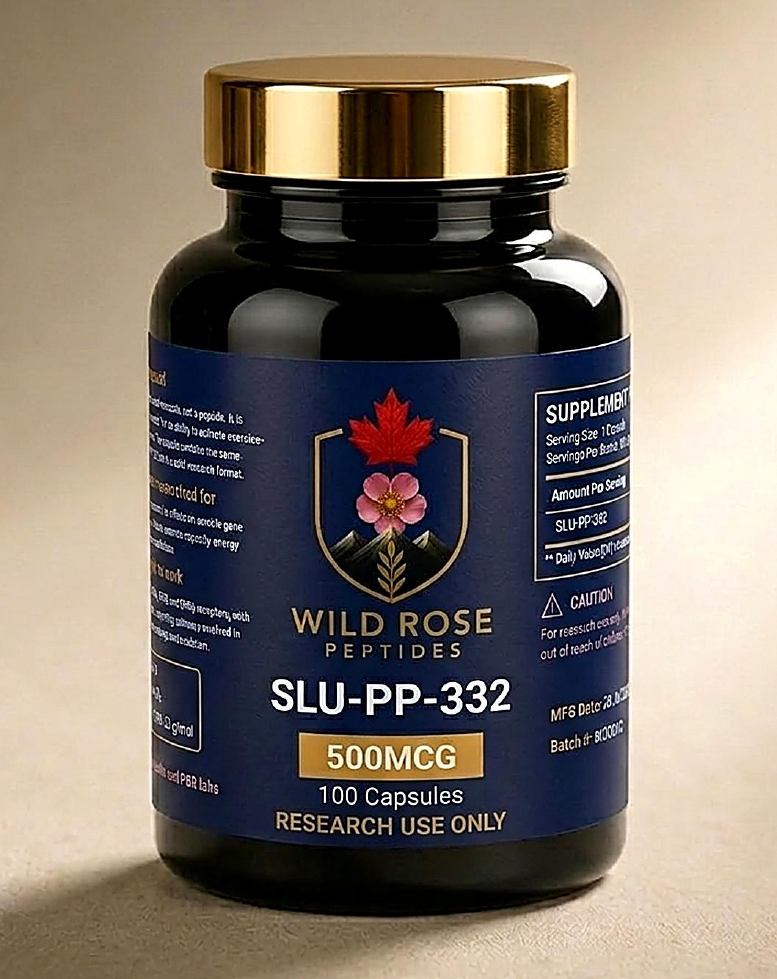
SLU-PP-332 is a small research molecule sometimes called an "exercise mimetic" because it switches on pathways the body normally activates during exercise. It is used to study energy metabolism and endurance at the cellular level.
SLU-PP-332 capsules supplied for laboratory and research-use documentation workflows.
BPC-157 capsules supplied for research-use catalogue ordering.
KPV capsules supplied for research-use catalogue ordering.
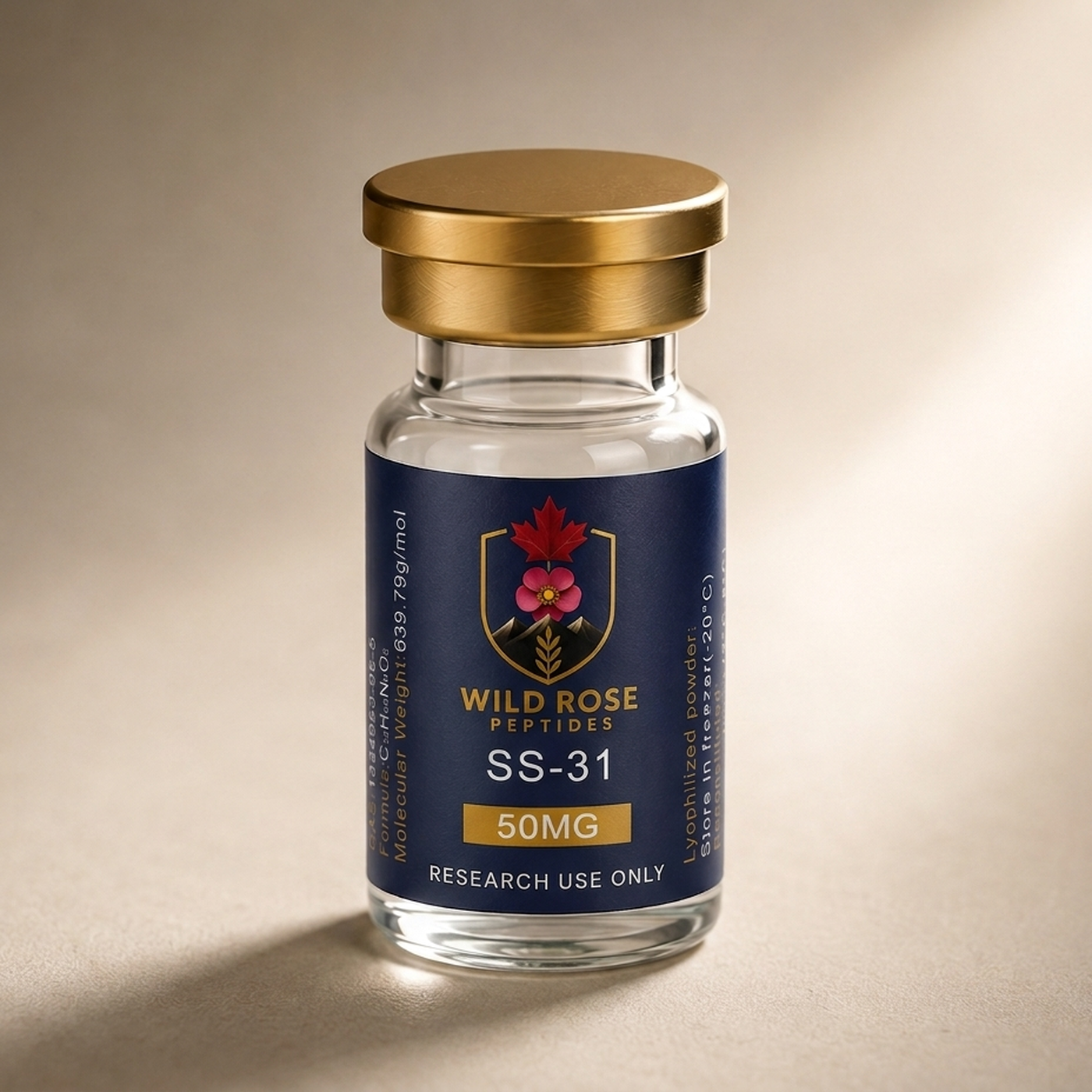
SS-31 is a small peptide that targets the mitochondria - the cell's power plants - and is studied in research on energy production and oxidative stress. Laboratory work focuses on how it supports mitochondrial function.
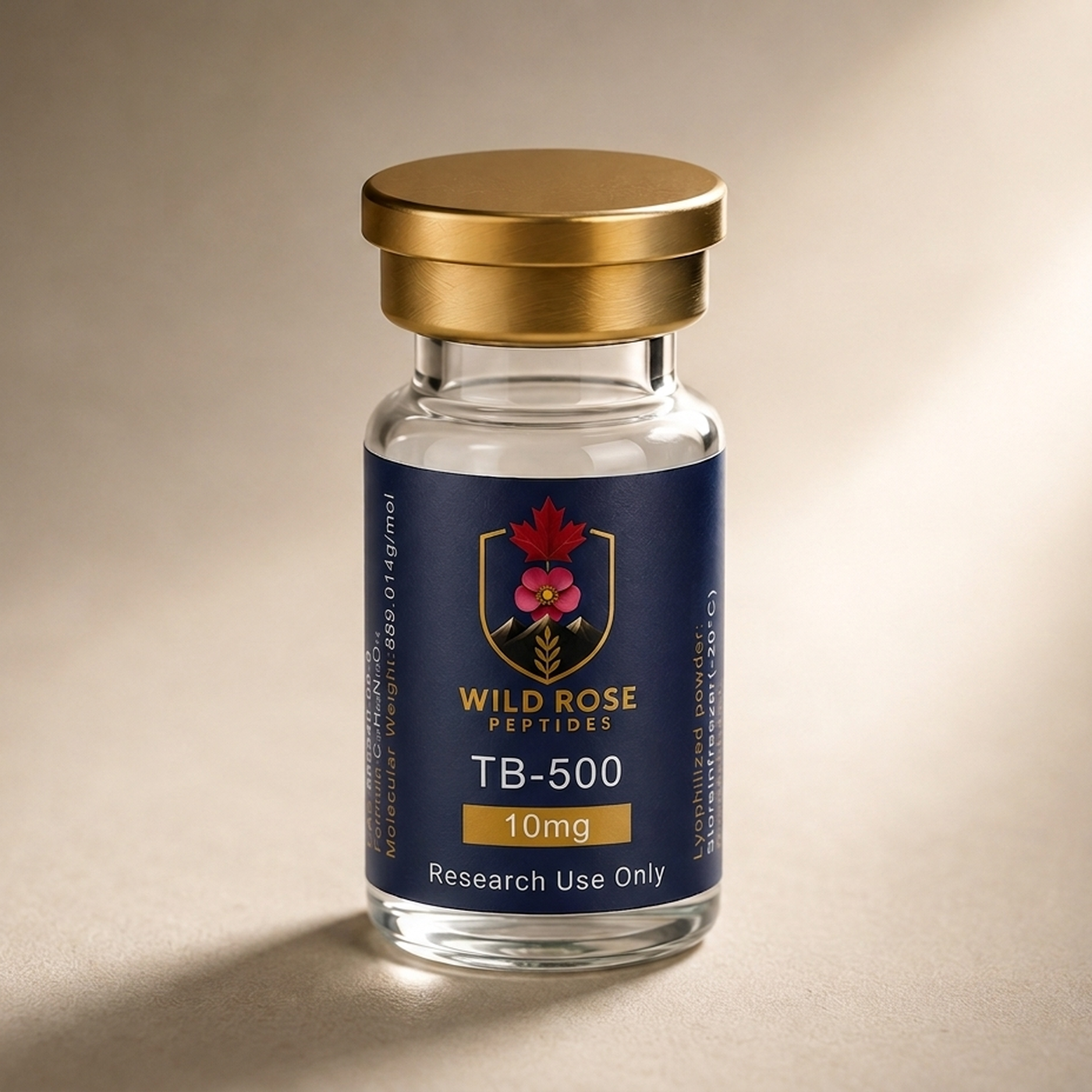
TB-500 is a synthetic version of the active part of a natural repair protein, widely studied alongside BPC-157 in recovery research. Studies look at its role in cell movement, blood-vessel formation, and tissue healing.
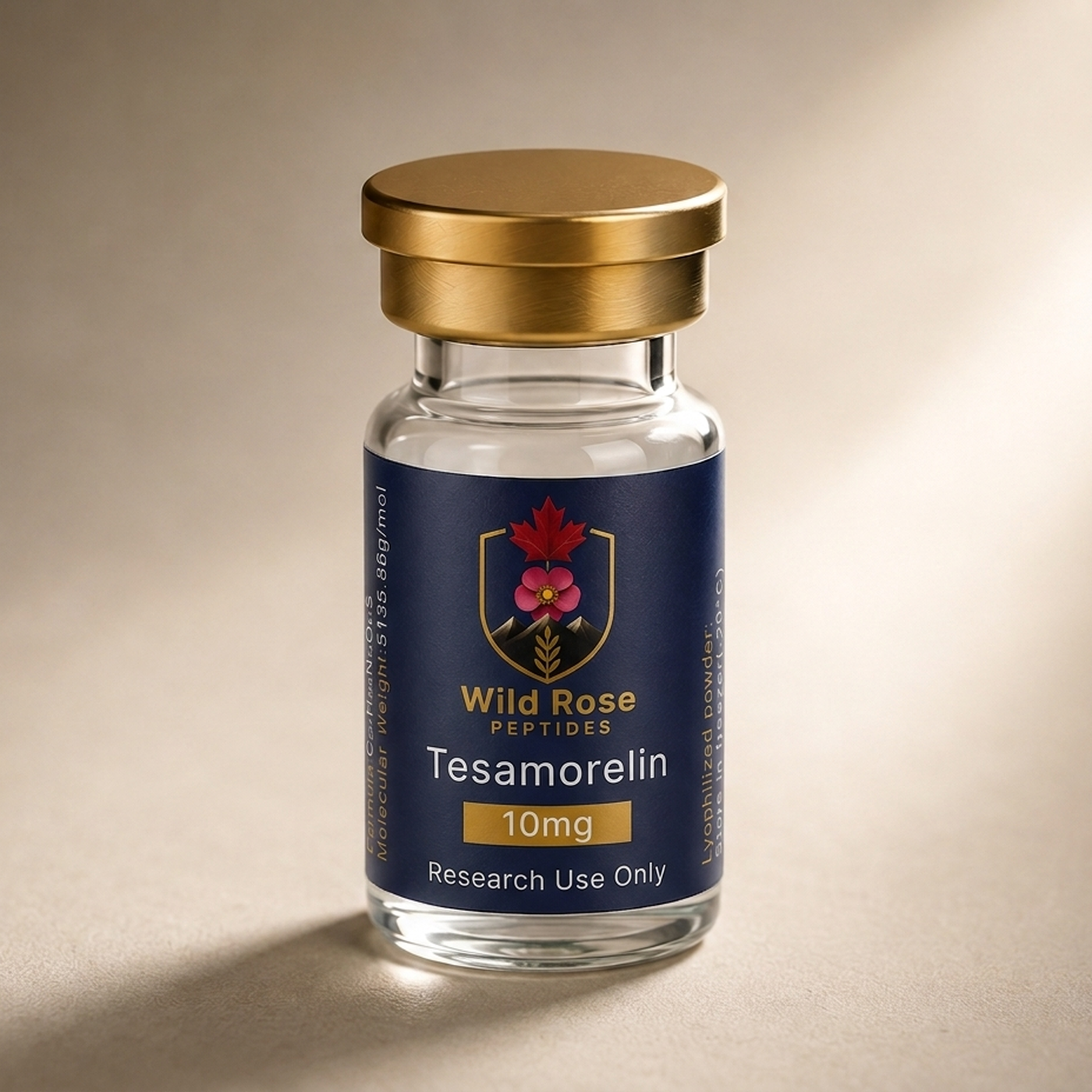
Tesamorelin is a stabilised peptide that signals the body to release growth hormone, used in endocrine research. Studies focus on its effects on the growth-hormone axis and fat metabolism.
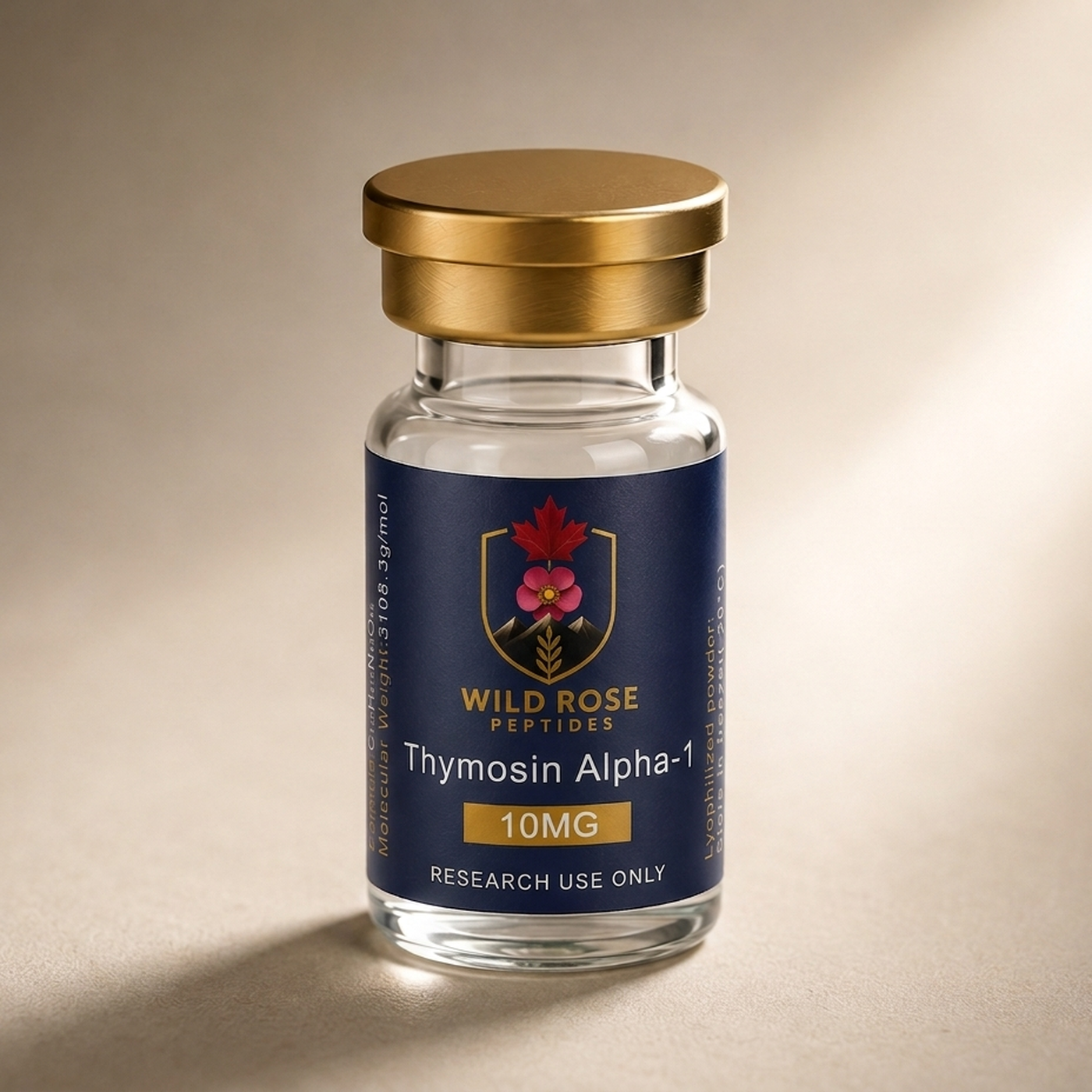
Thymosin Alpha-1 is a peptide based on a natural immune-signalling molecule from the thymus gland. It is studied for how it influences immune-cell activity and the body's defence responses.
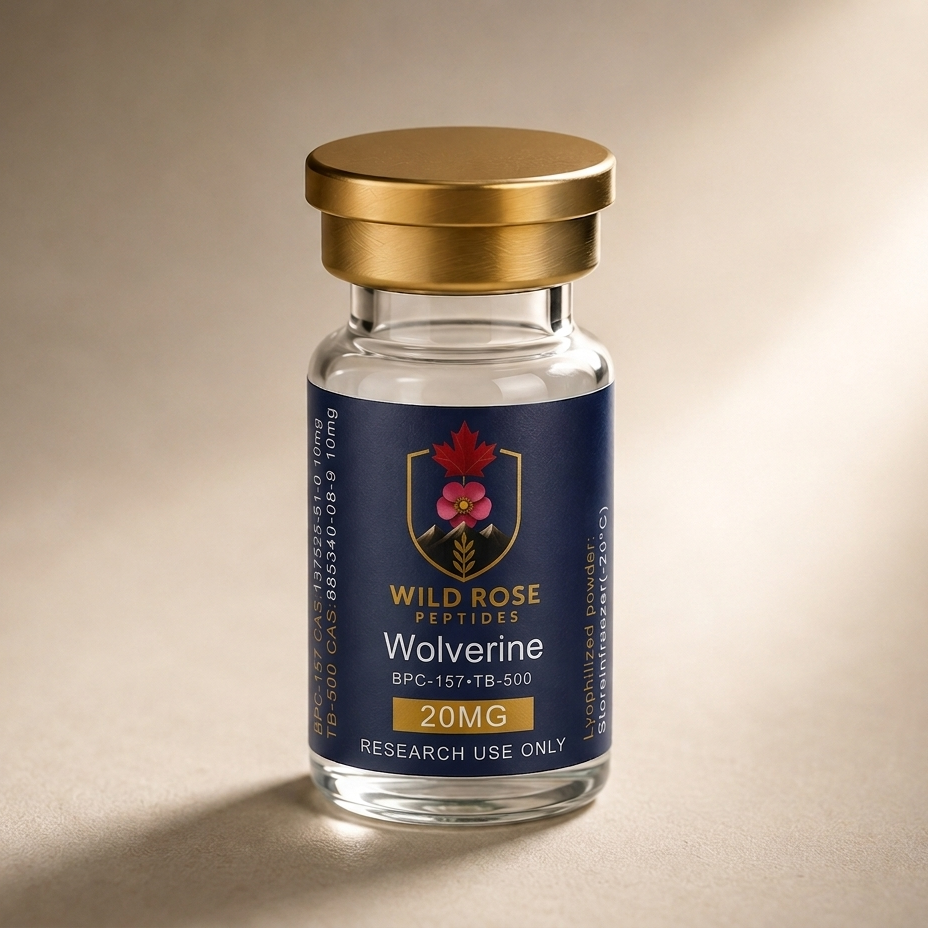
Wolverine is a 20 mg recovery-focused research blend containing BPC-157 (10 mg) and TB-500 (10 mg), two widely studied tissue-repair peptides.